Earthworms’ Unexpected Resistance to Microplastics: Implications for the Food Chain
Introduction: The Ubiquity of Microplastics
Microplastics have become a pervasive pollutant, infiltrating nearly every corner of the global environment from ocean trenches to mountain peaks. This widespread contamination raises critical questions about its potential to bioaccumulate—the process by which toxins build up in the tissues of living organisms. However, a recent study from the Canadian Light Source at the University of Saskatchewan offers a glimmer of hope: earthworms do not accumulate microplastics, suggesting that the risk of biomagnification through the food chain may be lower than feared.
The Innovative Research at the Canadian Light Source
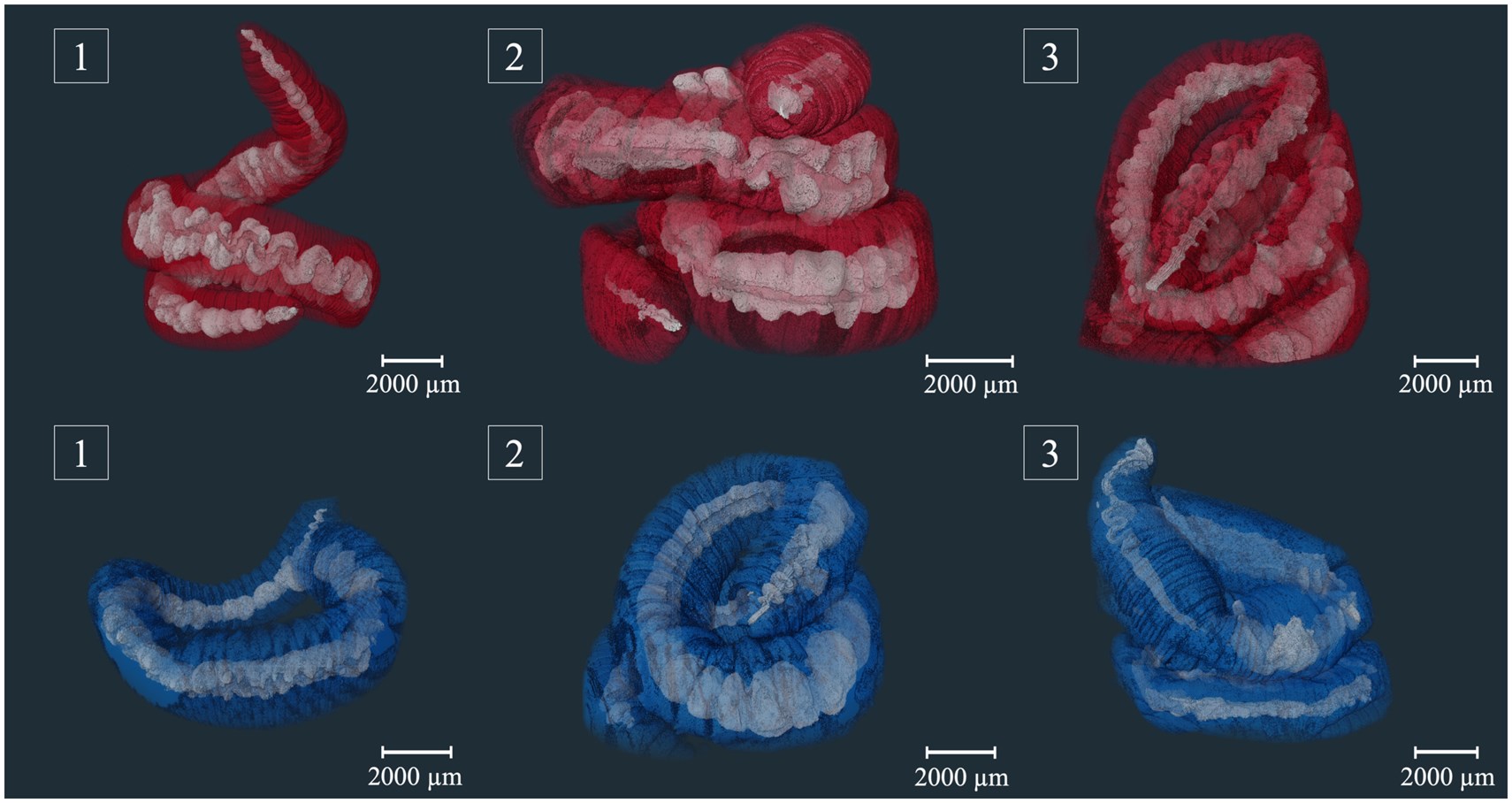
The study harnessed the power of the Canadian Light Source synchrotron, a massive particle accelerator that generates intense X-rays. Rather than using conventional detection methods, which can miss tiny particles, the team fed earthworms polyethylene microplastics tagged with barium sulfate—a compound that absorbs X-rays. This allowed real-time tracking of particles as small as 5 microns through the worms’ digestive systems. Control experiments used barium titanate glass microspheres to rule out artificial effects.
Confirming a Striking Rejection
Remarkably, the worms’ digestive tracts effectively rejected the plastic particles, even when exposed to artificially high concentrations far exceeding natural soil levels. The X-ray images clearly showed that polyethylene passed through the gut without being absorbed into tissues. This finding is critical because earthworms are a foundational species in many ecosystems, processing organic matter and serving as prey for birds, mammals, and other predators.
Why This Matters: Breaking the Bioaccumulation Chain
Bioaccumulation becomes dangerous when a substance moves up the food web, concentrating in predators. Classic examples include DDT and mercury, which build up in fish and birds. If earthworms were absorbing microplastics, those contaminants could pass to their predators and amplify with each trophic level. The study demonstrates that at least at the bottom of the terrestrial food chain, microplastics do not accumulate, reducing the risk of a similar cascade. This does not rule out other pathways into humans (e.g., via drinking water or seafood), but it offers a hopeful perspective for soil ecosystems.
Limitations and Future Directions
The research only examined one type of plastic (polyethylene) and one species of earthworm. Other plastics or worm species might behave differently. Moreover, the study did not assess potential chemical leaching from microplastics (e.g., plasticizers or additives) that could be absorbed even if the plastic itself is not. Still, the results align with a growing body of evidence that many organisms may excrete microplastics rather than retain them.
A Broader Trend: Glove Contamination Skewing Studies
Interestingly, the researchers also noted that many previous microplastic studies may have been artificially inflated by contamination from lab gloves, which shed plastic fibers. This revelation highlights the need for rigorous controls and suggests that real-world microplastic concentrations in organisms might be lower than previously reported. The combination of worm resistance and methodological improvements paints a more optimistic picture—though caution remains warranted.
Conclusion: Hope, Not a Free Pass
While microplastics are undeniably a global problem, the finding that earthworms reject them breaks one potential link in the bioaccumulation chain. This does not justify complacency; plastic pollution still harms wildlife through entanglement, habitat alteration, and chemical release. But it provides a scientific basis for hope that microplastics may not universally magnify up food webs. Further research is needed to confirm these results across species and ecosystems, but for now, earthworms give us a reason to be cautiously optimistic.
For the full academic paper, readers can access the study published in Environmental Toxicology and Chemistry.