10 Must-Know Skywatching Events in May 2026: A Complete Guide
May 2026 brings a trio of celestial delights: a meteor shower from Halley's Comet, a stunning planetary conjunction, and a rare Blue Moon. Whether you're an early riser or an evening stargazer, this month offers plenty to explore. Below, we've broken down the top ten things you need to know to make the most of May's skywatching opportunities.
1. The Eta Aquarid Meteor Shower Peaks Early in May
The Eta Aquarids, one of the year's best meteor showers, reach their peak on May 5–6. Under ideal conditions, you could see up to 50 meteors per hour. These shooting stars are known for their speed—entering Earth's atmosphere at about 40 miles per second—and often leave behind glowing trails that linger for a moment. However, the Moon will be bright around peak this year, so some fainter meteors may be washed out. For the best view, head to a dark location in the hours before dawn and look toward the eastern sky. Let your eyes adjust for 20–30 minutes, and avoid looking at your phone screen.
2. These Meteors Come from Halley's Comet
Every year, Earth crosses the dust trail left by Halley's Comet. Those tiny particles burn up in our atmosphere, creating the Eta Aquarid meteor shower. Halley's Comet last visited the inner solar system in 1986 and won't return until 2061. The shower's radiant point is in the constellation Aquarius, which gives the event its name. It's a reminder that even a comet on a 75-year orbit can leave behind a legacy of shooting stars that we can enjoy annually.
3. The Moon and Venus Shine Together on May 18
On the evening of May 18, look west just after sunset to see a beautiful conjunction. The crescent Moon will sit close to Venus, one of the brightest objects in our sky—often called the Evening Star. Their apparent closeness is a line-of-sight effect; in reality, they are millions of miles apart. This pairing is easy to spot because the Moon acts as a guide. It's a perfect opportunity for casual skywatchers and photographers alike.
4. Venus: The Brilliant Evening Star
Venus is often misnamed a 'star,' but it's actually our neighboring planet. Its thick cloud cover reflects sunlight, making it the third-brightest natural object in the sky after the Sun and Moon. In May 2026, Venus dominates the western sky after sunset. Its steady, silvery glow contrasts with the twinkling of distant stars. Observers with binoculars or a small telescope can even see Venus's crescent phase, similar to the Moon's.
5. A Rare Blue Moon Occurs on May 31
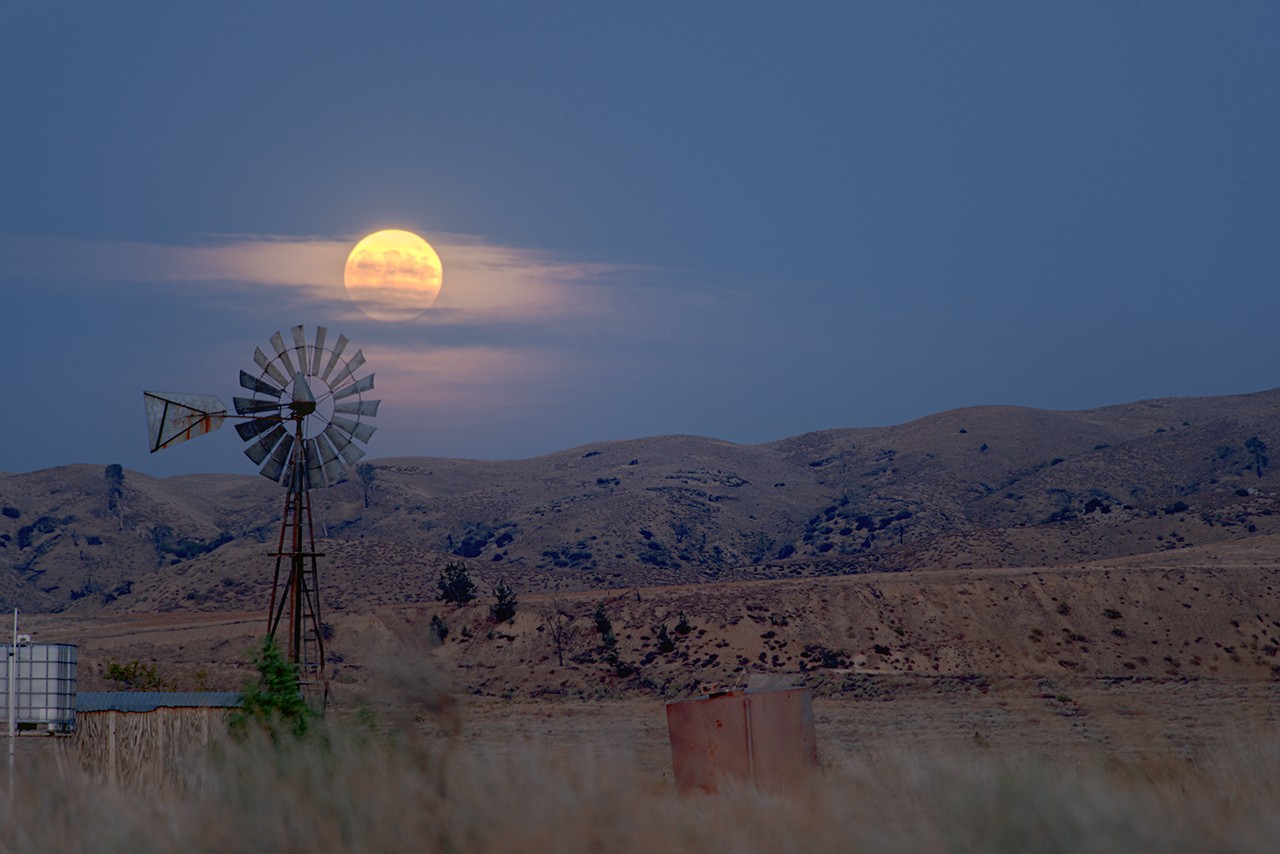
The month ends with a Blue Moon—the second Full Moon in a single calendar month. This event is relatively rare, giving rise to the phrase 'once in a blue moon.' Despite the name, the Moon won't actually appear blue; it will look like any other Full Moon. Blue Moons happen about every 2.5 to 3 years. Mark your calendar for May 31 to catch this lunar milestone.
6. How to Watch a Meteor Shower Like a Pro
For the Eta Aquarids or any meteor shower, success comes from preparation. Find a spot far from city lights. Bring a blanket or reclining chair so you can lie back and take in the whole sky. Give your eyes at least 20 minutes to adapt to darkness—don't look at your phone or any bright light. The best viewing time is before dawn when the radiant is high. Meteors can appear anywhere, but they seem to stream from the constellation Aquarius. Patience is key: you might see a few every minute, or wait longer for a bright one.
7. May's Moon Phases at a Glance
Knowing the Moon's phase helps you plan your skywatching. In May 2026, the Moon is new around mid-month, perfect for faint objects. The First Quarter Moon appears on May 20, and the Full Blue Moon on May 31. For meteor shower viewing during the Eta Aquarids, the Moon will be in a gibbous phase before peak, reducing visibility of fainter meteors. Check a lunar calendar to schedule your observing sessions around moonrise and moonset.
8. The Science Behind the 'Blue Moon' Term
Contrary to popular belief, a Blue Moon isn't about color. The term traditionally referred to the third Full Moon in a season with four Full Moons. However, a modern usage (popularized by a misinterpretation in the 1940s) defines it as the second Full Moon in a month. Since lunar cycles are 29.5 days and months are 30 or 31 days, this event is uncommon. The May 31 Full Moon qualifies under this definition. So while it won't be blue, it's still a special celestial calendar quirk.
9. Constellation Aquarius: Home of the Eta Aquarids
The Eta Aquarid meteor shower appears to originate from the constellation Aquarius, the water bearer. Aquarius is a faint constellation best seen in autumn skies, but it rises before dawn in May. Its brightest star, Sadalmelik, is not particularly prominent. Don't focus directly on the radiant; shooting stars can appear across the sky. The name 'Eta Aquarids' comes from the star Eta Aquarii, which lies near the radiant. Knowing the constellation adds context to the shower's name.
10. Make May a Month of Skywatching
From shooting stars to planetary meetups and a rare Blue Moon, May 2026 offers something for everyone. Whether you set an alarm for pre-dawn meteor watching or step outside after sunset for a quick look at Venus and the Moon, you'll connect with the cosmos. Share your sightings with friends or join local astronomy clubs to enhance the experience. The sky is a free, ever-changing show—don't miss it.
May 2026 is packed with celestial events that are easy to enjoy with just your eyes. Plan ahead, find dark skies, and prepare to be amazed. For more monthly tips, visit NASA's Skywatching page. Happy observing!