How a Single Moment Can Reshape Your Brain: The New Frontier of Neuroplasticity
Introduction: The Brain as Living Clay
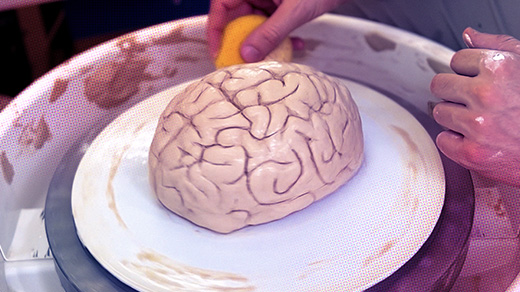
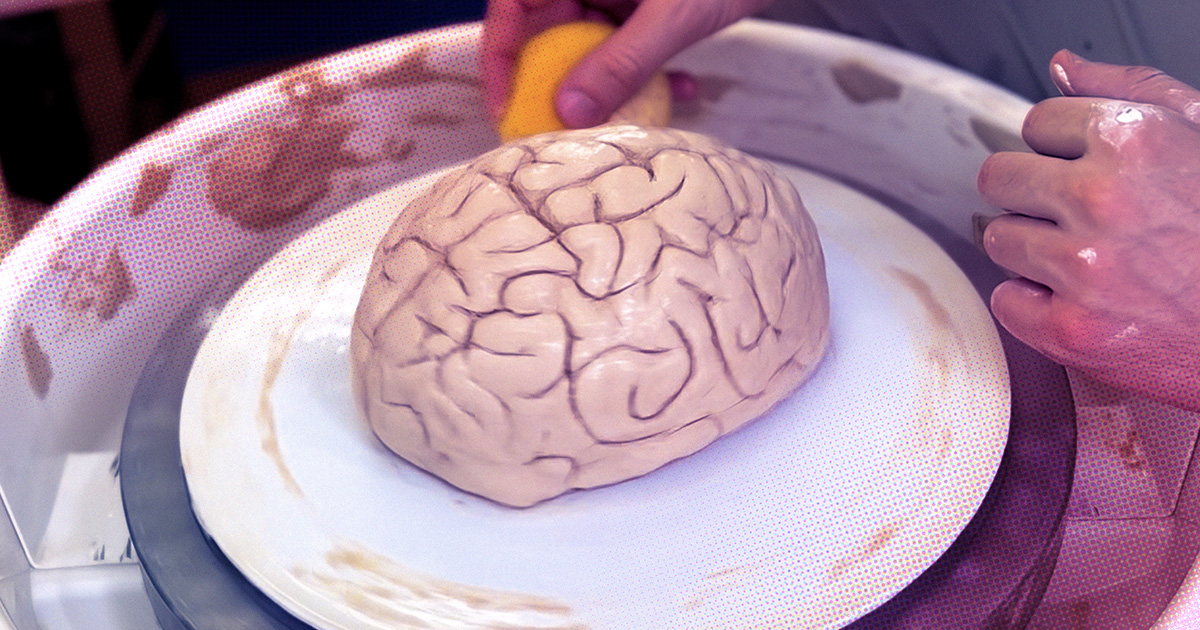
Every experience we have leaves a mark on our brain, much like a ceramicist’s hands reshape a slab of clay. A sudden turn down a new street, a heartfelt conversation, a shiver of fear—each event sets off a cascade of changes: neurotransmitters flood synapses, electrical impulses race along neurons, connections tighten or loosen, and our internal models of the world update themselves. The brain is incredibly plastic, and contrary to old beliefs, this plasticity endures throughout the human lifespan. But recent discoveries have revealed a new type of neuroplasticity that can rewire the brain after just a single experience—dramatically altering how we learn, remember, and adapt.
Traditional Neuroplasticity: Slow and Steady
For decades, scientists understood neuroplasticity as a gradual process. Repeated experiences—like practicing a musical instrument or studying a new language—strengthen synaptic connections over days, weeks, or months. This long-term potentiation (LTP) underpins most learning and memory. Yet the brain also encodes fleeting moments, such as a near-miss accident or a first taste of a novel food, in ways that seem instantaneous and powerful.
The New Type: Single-Experience Rewiring
A groundbreaking line of research, published in leading neuroscience journals, shows that a single, salient experience can trigger rapid structural changes in the brain. Using advanced imaging techniques, scientists observed that one exposure to a highly emotional or novel event can cause the formation of new dendritic spines—tiny protrusions on neurons that receive signals from other cells—within minutes. This rapid rewiring is distinct from the slower plasticity of repeated practice.
How It Works: The Molecular Dance
The mechanism involves a surge of neurotrophins like BDNF (brain-derived neurotrophic factor), which promote the growth of spines. Simultaneously, the brain releases stress hormones and neuromodulators such as noradrenaline, which sensitize the cortex. Within hours, the brain physically reshapes itself to encode the new experience, integrating it into existing neural networks. This process is especially robust in the hippocampus and prefrontal cortex—regions critical for memory and decision-making.
Why It Matters: Implications for Learning and Trauma
This single-exposure plasticity explains why we remember our first kiss, a car accident, or a life-changing conversation so vividly. It also has profound implications:
- Accelerated learning: Educators and trainers can design experiences that trigger this rapid rewiring, making skill acquisition faster.
- Trauma treatment: Understanding how the brain codes traumatic events in one shot may lead to better therapies that ‘rewrite’ those memories.
- Neurorehabilitation: After brain injury, harnessing single events could jumpstart recovery of lost functions.
Lifelong Plasticity: The Brain Never Stops Changing
The research reinforces that the brain remains incredibly plastic from cradle to grave. Even in old age, a novel experience—like learning to juggle or traveling to a new place—triggers the same rapid restructuring. This challenges the old notion that plasticity declines after critical periods in childhood. Instead, the adult brain retains the capacity for sudden, profound reorganization.
Practical Tips for Harnessing Single-Experience Rewiring
How can you apply this knowledge in everyday life? Here are evidence-based strategies:
- Create novelty: Expose yourself to new environments, foods, or skills regularly to prime your brain for rapid changes.
- Engage emotions: Experiences charged with emotion—positive or negative—are more likely to trigger this plasticity. Pair learning with music, storytelling, or physical sensation.
- Minimize distraction: A single, focused moment is more powerful than scattered attention. Deep immersion in an experience boosts the rewiring effect.
- Reflect afterward: Mental rehearsal within hours of an experience consolidates the new neural connections.
Conclusion: The Power of a Single Moment
The discovery that a single experience can rewire the brain opens a new chapter in neuroscience. It reminds us that every second matters—each conversation, every decision, each shudder—is not just a fleeting sensation but a sculptor’s tool that shapes the very structure of our mind. By understanding and leveraging this new type of neuroplasticity, we can enhance learning, heal from trauma, and keep our brains vibrant at any age. For further reading on related concepts, see traditional neuroplasticity or lifelong plasticity.