10 Things You Need to Know About the AMOC Collapse Threat
The Atlantic Meridional Overturning Circulation (AMOC) is a critical component of Earth's climate system, acting like a giant conveyor belt that moves warm water from the tropics to the North Atlantic and returns cold water southward. This process keeps Europe warmer than it would otherwise be and influences global weather patterns. However, climate change is disrupting this delicate balance, raising fears of a potential collapse. Scientists are debating whether the AMOC could reach a tipping point, leading to dramatic consequences. Here are 10 essential facts to understand this pressing issue.
1. What Is the AMOC and How Does It Work?
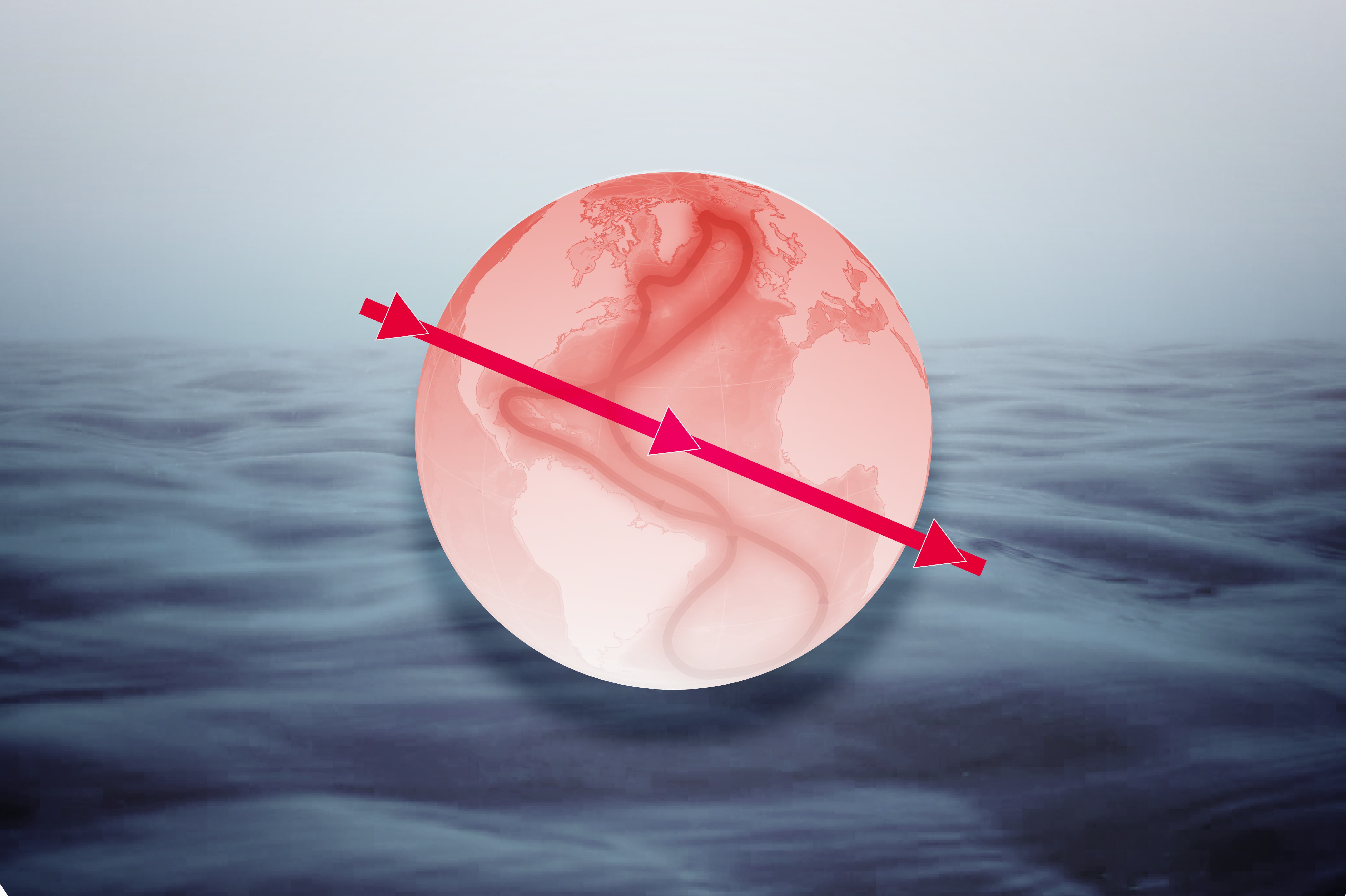
The AMOC is a vast system of ocean currents that circulates water around the Atlantic basin. It transports warm, salty water northward near the surface, where it cools, sinks, and flows back south at depth. This process redistributes heat from the equator to higher latitudes, helping to regulate global climate. Without the AMOC, Europe would experience much colder temperatures, and global rainfall patterns would shift. The system is part of a larger global ocean circulation that moves nutrients and carbon, making it vital for marine ecosystems and the carbon cycle.
2. Why Is the AMOC Important for Europe's Climate?
The AMOC acts as a heat pump for Europe. By bringing warm tropical waters northward, it releases heat into the atmosphere, moderating winter temperatures across the continent. For example, London is at a similar latitude to cold cities like Calgary, Canada, but is much warmer due to the AMOC. Without this current, Europe could experience a drop in average temperatures of 5–10°C (9–18°F), leading to harsher winters and shorter growing seasons. This would have profound impacts on agriculture, energy demand, and daily life.
3. How Is Climate Change Affecting the AMOC?
Human-caused global warming is destabilizing the AMOC through multiple mechanisms. Rising temperatures warm the atmosphere, which in turn warms the ocean surface. Melting ice from Greenland and the Arctic adds fresh water to the North Atlantic, reducing salinity. Increased rainfall also dilutes the surface water. Both factors make the water less dense, hindering the sinking process (downwelling) that drives the circulation. As a result, the AMOC is slowing down, and further warming could push it toward a weak state or collapse.
4. What Evidence Shows the AMOC Is Weakening?
Observational data and model simulations suggest the AMOC has slowed by about 15% since the mid-20th century. Direct measurements from arrays of instruments in the Atlantic, such as the RAPID project, confirm a decline in the strength of the circulation. Proxy records from ice cores and ocean sediments indicate that the current slowdown is unprecedented in the last millennium. While not all scientists agree on the magnitude of the decline, there is a broad consensus that the AMOC is losing strength due to climate change.
5. What Is a Tipping Point, and Could the AMOC Reach One?
A tipping point is a threshold beyond which a system undergoes a rapid, often irreversible, transition to a new state. For the AMOC, this could happen when freshwater input from melting ice and increased rainfall exceeds a critical level, causing the circulation to collapse. Many climate models show that with enough warming, the AMOC can cross such a tipping point, leading to a weak state that persists for centuries. The exact threshold is uncertain, but recent research suggests it may be closer than previously thought.
6. What Do IPCC Projections Say About the AMOC's Future?
The Intergovernmental Panel on Climate Change (IPCC) projects that the AMOC will weaken over the 21st century under high-emission scenarios. However, the IPCC considers a full collapse before 2100 to be unlikely, though not impossible. The latest assessment (AR6) states that the AMOC will very likely decline by 10–24% this century, but a sudden collapse remains a low-probability, high-impact event. This cautious stance reflects the uncertainty in models and the complexity of the ocean system.
7. Why Do Some Scientists Warn of an Imminent Collapse?
Some studies have challenged the IPCC's view, arguing that the AMOC could pass a tipping point within the next few decades. One notable 2023 study used sea surface temperature patterns as an early warning signal and suggested the AMOC is heading for a shutdown as early as 2025–2095. These researchers emphasize that the system is approaching a critical threshold and that even a partial collapse would have severe consequences. The debate underscores the need for urgent action to reduce emissions.
8. What Would Happen If the AMOC Collapsed?
A collapse of the AMOC would trigger dramatic climate changes. Europe would experience a sharp cooling of up to 10°C (18°F), contrasting with global warming. Sea levels along the U.S. East Coast would rise due to ocean circulation changes. Global rainfall patterns would shift, causing droughts in some regions and floods in others. Food production would be disrupted worldwide. Additionally, a collapsed AMOC could trigger other climate tipping points, such as the melt of the Greenland ice sheet or changes in the Amazon rainforest.
9. How Would a Collapse Affect Global Food Supply and Sea Levels?
The AMOC's shutdown would have far-reaching effects on agriculture. European farming would suffer from shorter growing seasons and colder conditions, reducing crop yields. Changes in monsoon patterns would threaten food security in Asia and Africa. Sea level rise would accelerate along the eastern United States, affecting cities like New York and Boston. The redistribution of ocean heat would also disrupt marine ecosystems, impacting fish stocks. These cascading effects highlight the global stakes of a potential AMOC collapse.
10. What Can Be Done to Prevent an AMOC Collapse?
Preventing an AMOC collapse requires aggressive mitigation of climate change. Reducing greenhouse gas emissions to net-zero as soon as possible is the primary solution. Slowing the rate of global warming reduces the freshwater input and ocean warming that destabilize the circulation. Additionally, protecting ecosystems like the Arctic sea ice and Greenland ice sheet can help maintain the salinity balance. While some research explores geoengineering, such as solar radiation management, these approaches carry risks. The most reliable path is to limit global warming to 1.5°C above pre-industrial levels, as outlined in the Paris Agreement.
In summary, the AMOC is a vital ocean current system that is under threat from climate change. While there is debate about the timing and likelihood of a collapse, the potential consequences are catastrophic. Understanding these risks is essential for informing policy and public action. Scientists continue to monitor the AMOC closely, but the window to act is narrowing. As discussed earlier, the AMOC's fate rests on our collective efforts to curb global warming.