Tesla's Robotaxi Fleet: Slow but Steady Expansion Across Texas
After months of little movement, Tesla's much-hyped unsupervised Robotaxi fleet is finally showing signs of life. According to the latest data from the independent Robotaxi Tracker, the fleet now includes 25 vehicles operating across three major Texas cities. While the number is still a tiny fraction of CEO Elon Musk's bold projections, it marks the first real uptick in expansion nearly a year after the program's launch. Here's everything you need to know about this milestone and what it means for the future of autonomous ride-hailing.
What exactly is Tesla's unsupervised Robotaxi fleet?
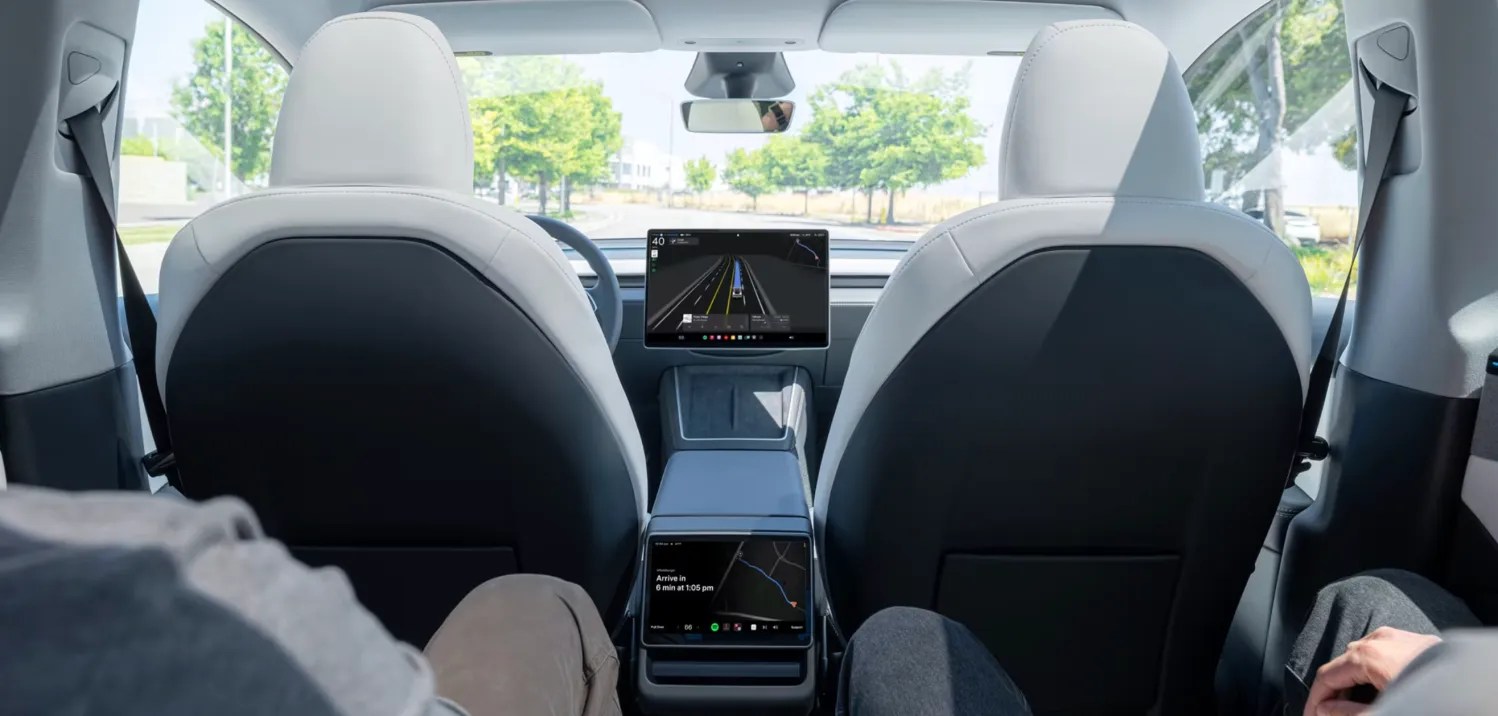
The Tesla Robotaxi fleet refers to a small group of Tesla vehicles operating without a human driver behind the wheel. These cars are part of a pilot program that allows the company to test fully autonomous ride-hailing services in select areas. As of now, all 25 vehicles are running in unsupervised mode, meaning there is no safety driver present. The fleet is currently active in three Texas cities: Austin, Dallas, and Houston. This expansion is significant because it represents the first measurable growth since the program began nearly a year ago, following a long period of stagnation.
How many Robotaxis are currently active?
The latest data from the Robotaxi Tracker confirms a cumulative total of 25 vehicles operating across Austin, Dallas, and Houston. While this number is a fraction of the thousands Elon Musk once anticipated, it marks a clear departure from the months-long flatline the program experienced earlier. The tracker indicates that the majority of these vehicles were added over the past few weeks, with each city receiving a handful of new robotaxis. By way of comparison, the fleet stood at just a handful of cars for most of the year, so this jump represents a notable acceleration — though the absolute numbers remain far below early expectations.
Where in Texas are these robotaxis operating?
All 25 unsupervised Tesla vehicles are spread across three Texas metropolitan areas: Austin, Dallas, and Houston. According to the Robotaxi Tracker, each city has received new vehicles in recent weeks, breaking a months-long drought that had left the fleet essentially static. Austin, home to Tesla's Gigafactory Texas, appears to lead the pack in terms of vehicle count, but Dallas and Houston have also seen additions. The data suggests Tesla is deliberately expanding its autonomous footprint in the state, likely due to more favorable regulations in Texas compared to other regions. However, the company has not released a detailed breakdown of how many robots operate in each city.
How does this growth compare to Elon Musk's predictions?
CEO Elon Musk has historically made extremely bold forecasts about the Robotaxi program. He once claimed that Tesla would have millions of robotaxis on the road by the end of 2020, and later suggested that the fleet would grow exponentially after the Full Self-Driving (FSD) software matured. In reality, nearly a year after the unsupervised fleet launched, only 25 vehicles are in operation. While this number is still far below any of Musk's projections, the recent uptick is the first time the fleet has shown meaningful expansion after months of almost no growth. It suggests that Tesla may finally be overcoming some of the technical or regulatory hurdles that have held the program back, though the scale remains minuscule compared to the CEO's original vision.
Why did the fleet stagnate for so long, and what changed?
The Robotaxi program experienced a prolonged period of stagnation because Tesla was likely grappling with safety validation, regulatory approvals, and technical challenges in its Full Self-Driving software. For months, the fleet count barely budged, leading some critics to question whether the program had been shelved. The recent growth — adding vehicles in Austin, Dallas, and Houston — appears to be driven by improvements in FSD performance and a more permissive regulatory environment in Texas. Specifically, the Texas Department of Licensing and Regulation has allowed limited unsupervised autonomous vehicle testing without a safety driver, which gives Tesla the green light to expand. The company may also have resolved certain software bugs that previously prevented wide-scale deployment.

What does this small fleet mean for Tesla's broader autonomous ambitions?
While 25 vehicles is a tiny number, the fact that Tesla is adding robotaxis again — especially after a long dry spell — suggests the company has not abandoned its driverless ride-hailing dreams. The gradual expansion in Texas could serve as a proving ground for the technology before scaling to other states. It also indicates that Tesla is iterating on its Full Self-Driving system in a real-world commercial setting, gathering data that could accelerate improvements. However, until the fleet grows by several orders of magnitude, it will remain more of a prototype than a revenue-generating service. For now, the recent growth is a positive signal for investors and enthusiasts, but it does not signal the imminent arrival of a nationwide robotaxi network.
How is the Robotaxi fleet being tracked?
The fleet data comes from the Robotaxi Tracker, an independent monitoring service that compiles information from public records, dispatch logs, and rider reports. According to the tracker, Tesla does not officially publish real-time fleet numbers, so the tracker uses indirect sources to estimate the total. The recent report shows a cumulative count of 25 unsupervised vehicles, with additions appearing over the past few weeks in Austin, Dallas, and Houston. While the tracker's methodology is not perfect, it is currently the most reliable window into the otherwise opaque Tesla Robotaxi program. The tracker also notes that the fleet had been essentially flat for months, making the recent ramp-up a notable reversal of the previous trend.
What should we expect next for the Tesla Robotaxi fleet?
If the current rate of growth continues, we could see the fleet double or triple in the coming months, especially if Tesla pushes more vehicles into the Texas cities. However, the company has historically been unpredictable with timelines. The key factor will be regulatory progress: if Texas expands its autonomous vehicle permits, and if Tesla's FSD software continues to improve, the fleet could scale more rapidly. The company also has a backlog of vehicles that could theoretically be converted to robotaxis, but safety validation remains the bottleneck. For now, the program remains a small-scale test, but the recent additions suggest that Tesla is actively investing in making unsupervised driving a reality — even if the journey is much slower than originally promised.