10 Hidden Bottlenecks Slowing Your Network Incident Response (And How to Fix Them)
Network incidents strike without warning, and your IT team is already stretched thin. Too many alerts from disconnected tools, manual handoffs between specialists, and a lack of real-time context can turn a simple issue into a hours-long crisis. In a recent webinar, experts uncovered the most common bottlenecks that delay response times and drain resources. The good news? The same session highlighted practical fixes—many powered by automation and AI. Below, we break down 10 critical bottlenecks and show you how to overcome each one. Whether you're a SOC analyst or a CISO, these insights will help you rebuild your incident response for speed and clarity.
1. Alert Overload from Disconnected Systems
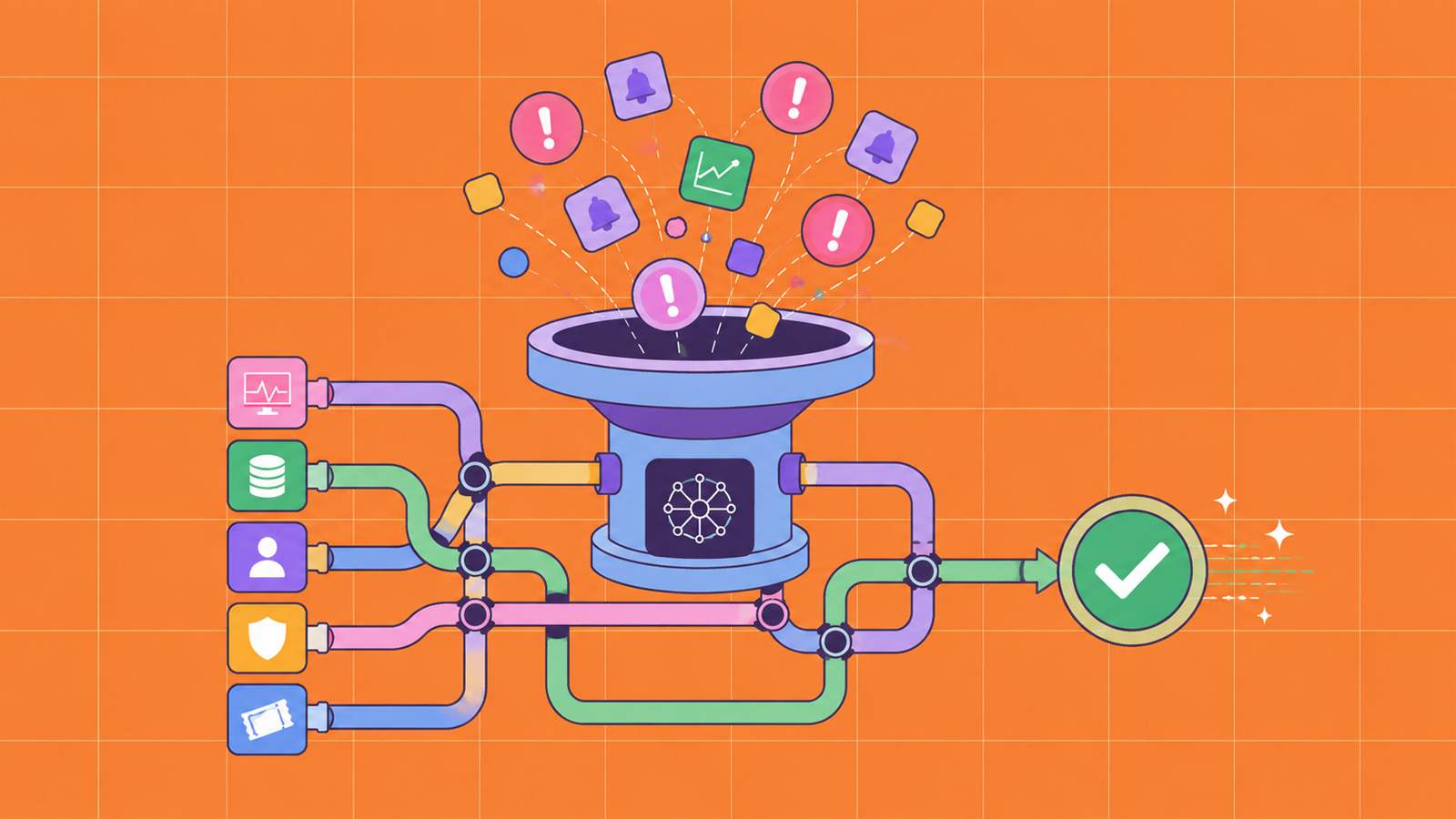
Your security stack generates thousands of alerts daily, but they arrive from separate platforms—SIEM, EDR, firewall logs—without any correlation. Each alert looks urgent, yet most are false positives or duplicates. Your team spends precious minutes sorting, deduplicating, and trying to figure out which alerts belong to the same incident. This manual triage is a major bottleneck. The fix: integrate your tools into a single orchestration layer that uses machine learning to group related alerts and suppress noise. When a real threat triggers, you see one actionable alert, not a flood of disjointed notifications.
2. Manual Handoff Between Teams
When an incident escalates across tiers—say from a helpdesk analyst to a network engineer to a security expert—each handoff involves re-explaining the situation. Phone calls, Slack messages, and emails stack up, and critical context gets lost. Studies show that every handoff adds 10 to 15 minutes of delay. To slash that time, adopt a centralized incident management platform that carries context automatically. Automation can even trigger the next responder assignment based on playbook rules, eliminating the need for manual coordination.
3. Lack of Contextual Enrichment
A raw IP address or log entry tells you little. Your team must pull threat intelligence, user identity, device history, and network topology separately. This research phase drags on while the attack advances. By enabling automated enrichment—using APIs to query internal databases and external feeds—you can add relevant context to each alert instantly. AI can even suggest the most likely attack path based on historical patterns, so responders start investigating with a clear picture, not a blank slate.
4. Siloed Communication Tools
Your network team uses one chat app, security another, and management prefers email. During an incident, critical updates are scattered, duplicated, or lost. Responders waste time switching between windows and copying information. A unified communications hub that integrates with your incident response platform solves this. All stakeholders see the same timeline, comments, and action items in one place. Automation can post updates to a dedicated channel and notify the right people without anyone having to write a separate message.
5. Inconsistent Playbook Execution
Every analyst has a different approach to containment, gathering evidence, or notifying affected users. Some skip steps; others invent workarounds. This inconsistency leads to missed actions or repeated efforts. Standardize your playbooks in a digital workflow tool that guides each step and enforces approvals. AI can analyze past incidents to recommend the best playbook for the current situation, reducing decision time. When everyone follows the same script, response becomes predictable and faster.
6. Time-Consuming Data Gathering
After an incident is contained, the real work begins: collecting logs, packet captures, and endpoint snapshots for root cause analysis. This process is still manual in many organizations, taking hours or even days. Automate evidence collection with scripts that run across your environment at the push of a button. AI can parse the collected data and highlight abnormal patterns, so analysts focus on interpreting results rather than gathering raw files.

7. Delayed Escalation Paths
When an incident exceeds the capabilities of the first responder, there's often no clear escalation route. They may wait for a manager to approve a handoff or hunt down a specialist's contact info. Meanwhile, the attacker gains ground. Implement automatic escalation rules based on severity, time elapsed, or specific indicators. For example, if a ransomware detection isn't resolved within 5 minutes, the system can page the on-call engineer and even spin up a virtual war room automatically.
8. Overreliance on Tribal Knowledge
Key steps for resolving incidents live only in the heads of senior team members. When they're on leave or unavailable, response quality drops. New hires struggle to learn undocumented procedures. Document your runbooks and decision trees in a searchable knowledge base integrated with your incident platform. AI can suggest relevant documentation based on the current alert, helping every responder act like an expert, regardless of tenure.
9. Post-Incident Review Gaps
After the dust settles, most teams conduct a post-incident review (PIR) but fail to capture all data points. They rely on memory and fragmented notes, leading to incomplete root cause identification. Automated PIR tools can log every action, timestamp, and decision made during the incident. Use AI to analyze the timeline and recommend improvements to playbooks or tool configurations. This turns each incident into a learning opportunity that systematically strengthens your defenses.
10. Underutilized Automation Opportunities
Many organizations own automation platforms but only use them for basic tasks like ticket creation. They miss opportunities to automate containment actions (e.g., isolating a compromised host), threat intel enrichment, and even first-level triage. Start by mapping your most frequent, repetitive steps across all incident types. Then build automated workflows that handle 80% of the work, leaving human analysts to focus on complex decision-making. The result: response times shrink from hours to minutes, and your team's burnout rate drops.
Conclusion
Hidden bottlenecks are the silent killers of incident response efficiency. Alert overload, manual handoffs, and siloed tools cost your organization precious minutes—and sometimes millions in damages. The solutions outlined above, from AI-driven enrichment to automated playbooks, are not speculative; they are proven in production environments. Start by assessing your current workflow, identify which bottleneck affects you most, then implement one fix at a time. For a deeper dive, consider viewing the full webinar where experts walk through live demonstrations of these capabilities.