AI Dependency Eroding Human Judgment, Experts Warn
Critical Thinking Crisis Looms as AI Becomes Cognitive Crutch
A growing reliance on artificial intelligence is not merely making humans lazy thinkers—it is actively dismantling our capacity for qualitative, moral, and interpersonal judgment, according to leading cognitive scientists and ethicists. The warning comes as AI tools increasingly serve as memory aids, decision-support systems, and even substitute for personal reasoning in workplaces and daily life.
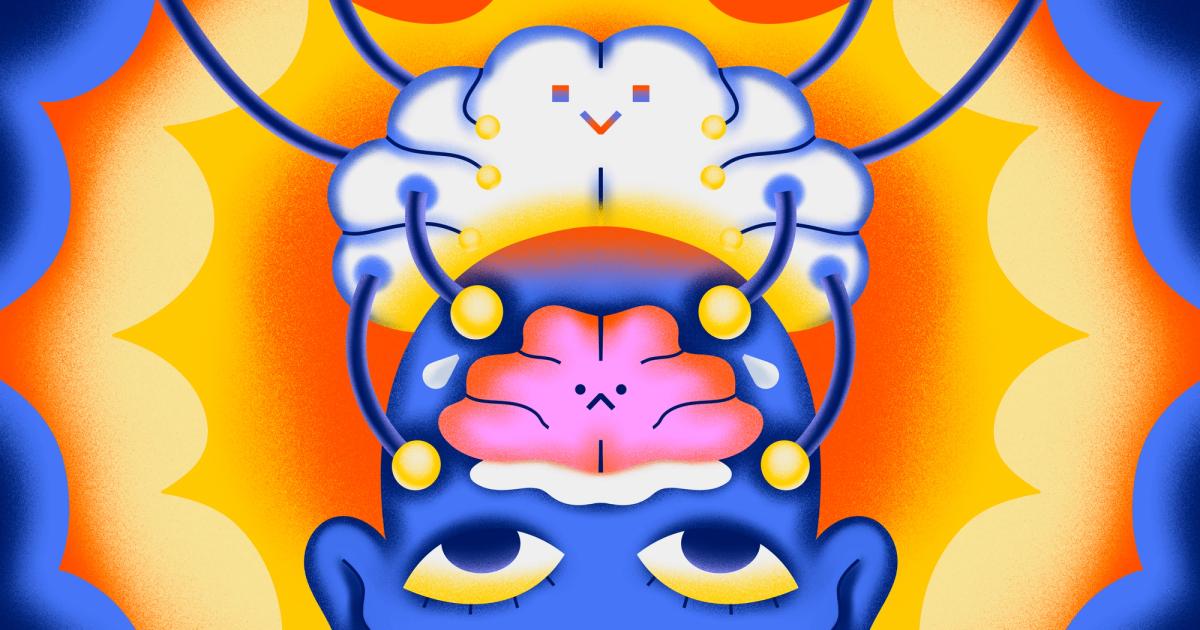
Dr. Elena Marchetti, a neuroscientist at the Institute for Cognitive Studies, stated: “We are witnessing a slow erosion of the neural pathways responsible for critical evaluation. The brain, like any muscle, atrophies when not exercised. Offloading judgment to AI may feel efficient, but it comes at the cost of our own judgment faculties.”
Background
The phenomenon of AI as a “second brain” has accelerated with the ubiquity of large language models, smart assistants, and predictive algorithms. Originally designed to augment human decision-making, these systems now often replace it entirely—from choosing what to watch to making investment decisions.
A 2024 study from the University of Cambridge found that frequent users of AI assistants scored significantly lower on tests measuring moral reasoning and empathy. Participants who relied on AI for everyday choices took longer to arrive at independent conclusions and showed reduced confidence in their own ethical intuitions.
“The risk isn’t just that we’ll get lazy and become lousy at critical thinking,” said Dr. Marchetti. “The risk is that we’ll outsource our judgment and lose the ability to make qualitative, moral, and interpersonal judgments altogether.” This echoes concerns raised by the late Neil Postman, who warned that any technology powerful enough to be an extension of the mind is also powerful enough to replace it.
What This Means
If current trends continue, society may face a generation unable to navigate ethical gray areas or engage in nuanced interpersonal communication without algorithmic crutches. Professions that depend on human discretion—such as law, medicine, and journalism—could see a decline in independent reasoning, leading to homogenized, risk-averse decision-making that mirrors AI biases.
Dr. Raj Patel, an AI ethicist at Georgetown University, told reporters: “We are building a world where the machine doesn’t just assist our judgment—it defines what good judgment looks like. That is a recipe for moral monoculture and cognitive passivity.”
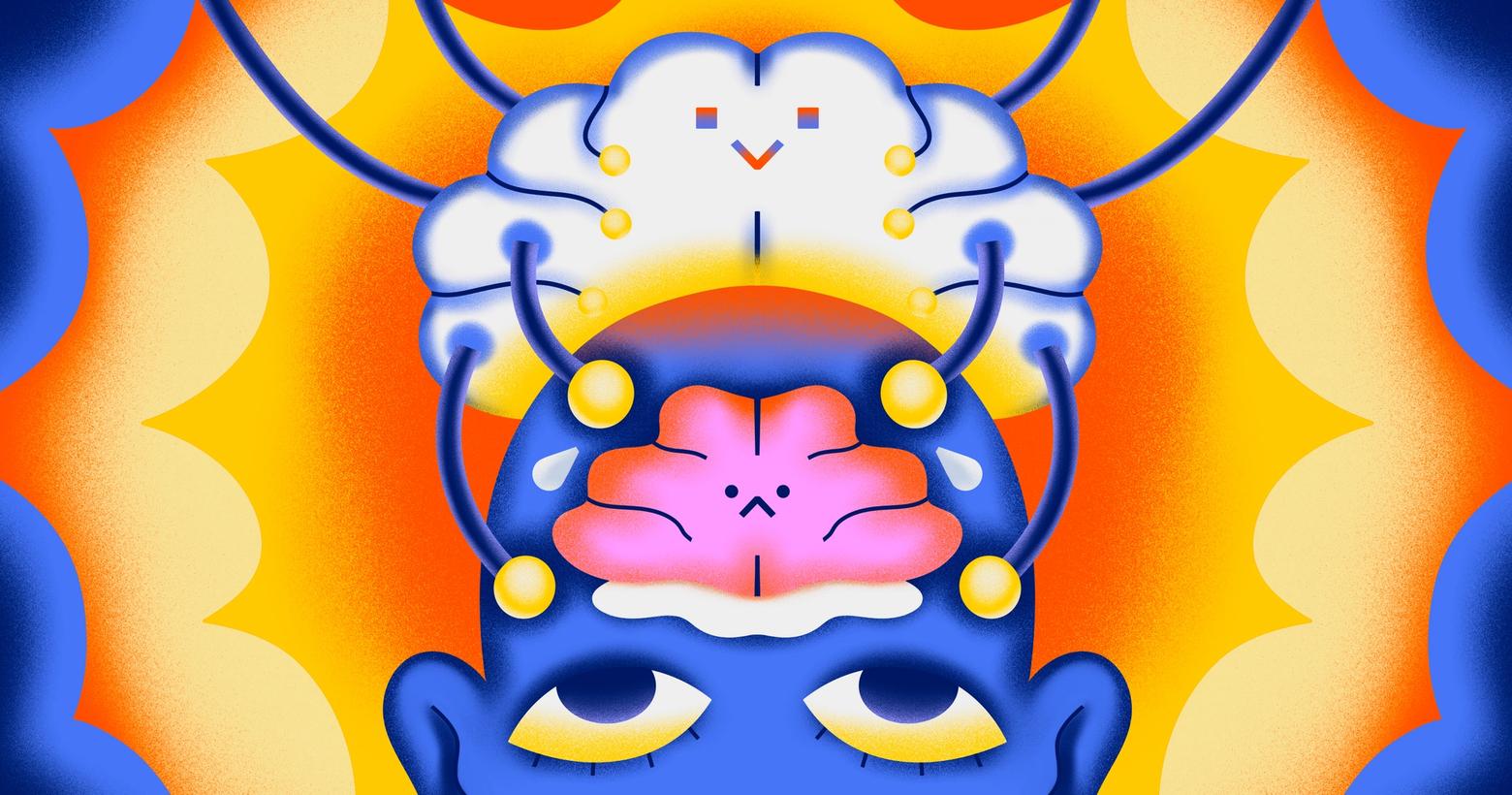
On a personal level, individuals may find it harder to trust their own instincts or develop the resilience that comes from making tough choices. The nuanced ability to weigh conflicting values—the essence of being human—could be the first casualty of a society that outsources its thinking to AI.
Urgent Call for Safeguards
The cognitive cost of AI dependency demands immediate action, experts argue. Educational reforms should reintroduce critical thinking exercises (see Background) that require students to solve problems without algorithmic help. Workplaces must design policies that preserve human oversight in decisions with moral or interpersonal weight.
“We are not saying ban AI,” Dr. Marchetti emphasized. “But we must recognize that outsourcing judgment has a price. If we do not actively exercise our moral and qualitative reasoning, we will lose the ability to use it at all.” The clock is ticking—each moment of uncritical reliance reinforces the neural shortcut that bypasses independent thought.
- Educational systems must integrate “unplugged” reasoning exercises.
- Corporate ethics boards should mandate human-in-the-loop for high-stakes decisions.
- Public awareness campaigns can help individuals track and reduce AI dependency.
The warning is stark: without conscious intervention, the tool designed to amplify human intellect may instead become its replacement. As Dr. Patel concluded: “We have the power to shape this relationship. The question is whether we will act before our first brain becomes a shadow of its former self.”