AI Breakthrough: Detecting Pancreatic Cancer Years Earlier with CT Scans
Pancreatic cancer is notoriously difficult to detect early, often leading to late-stage diagnoses and poor survival rates. However, a groundbreaking artificial intelligence model has shown promise in identifying subtle signs of the disease in CT scans up to three years before human doctors can spot them. This Q&A explores how this AI tool works, its test results, and what it could mean for future cancer screening.
1. What is this new AI model and how does it detect pancreatic cancer?
The AI model is a machine learning system trained on thousands of CT scans to recognize early, minute indicators of pancreatic cancer that are invisible to the human eye. Unlike traditional methods that rely on obvious masses or symptoms, this tool analyzes patterns in the pancreas and surrounding tissues. It uses deep learning algorithms to flag subtle textural changes, slight density variations, or irregular blood flow that precede tumor formation. By identifying these precancerous signatures, the model can issue an alert long before the disease becomes clinically apparent. Early tests show it achieves high accuracy, significantly outperforming standard diagnostic protocols. This approach could revolutionize screening for high-risk populations, such as those with family history or genetic predispositions.
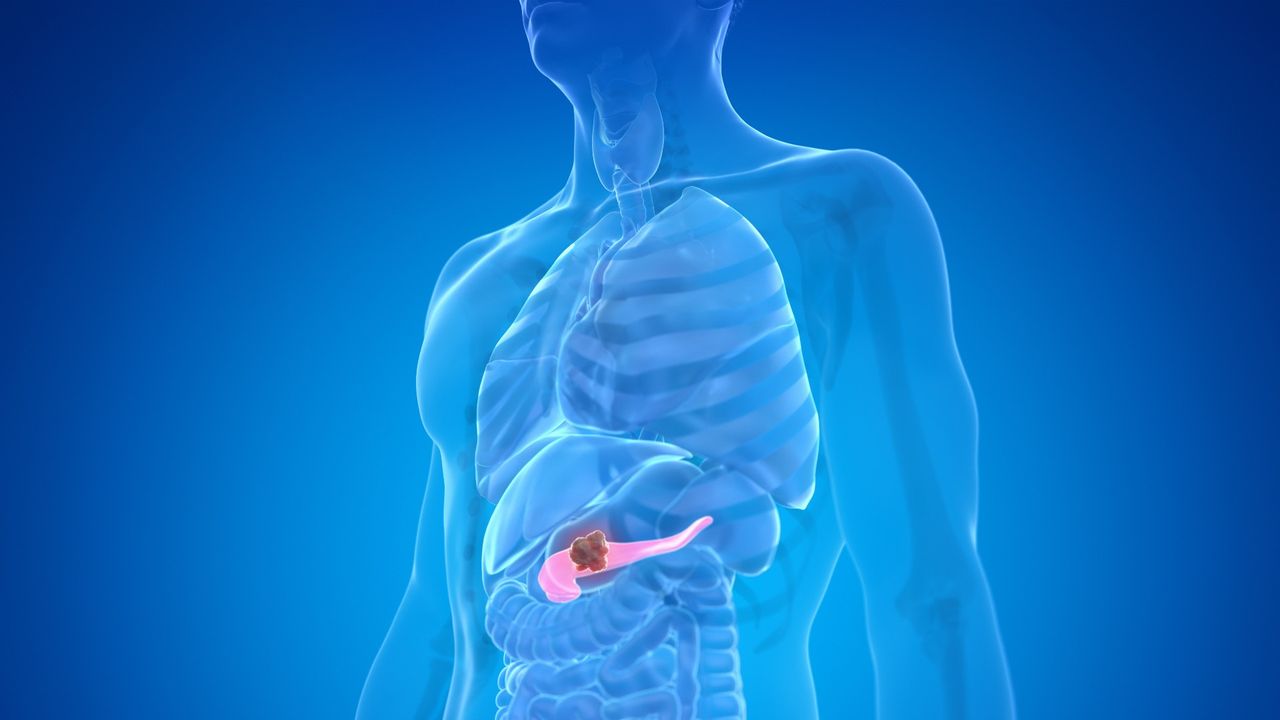
2. Why is early detection of pancreatic cancer so critical?
Pancreatic cancer has one of the lowest survival rates among cancers – only about 10% of patients live five years after diagnosis. The primary reason is that symptoms (jaundice, abdominal pain, weight loss) typically appear only after the cancer has advanced or metastasized. At that stage, surgical removal is often impossible, and treatment options are limited. Detecting the disease early dramatically increases the chance of curative resection and improves outcomes. Even a small tumor confined to the pancreas can be removed successfully. By spotting signs years in advance, patients can undergo regular monitoring, lifestyle changes, or preventive interventions. The AI model addresses a major gap: current screening tools, like CT scans, lack sensitivity for early-stage pancreatic lesions, leading to missed opportunities.
3. How much earlier does the AI detect cancer compared to human doctors?
In the test, the AI model identified pancreatic cancer up to three years earlier than radiologists could using conventional CT scan readings. The tool flagged suspicious scans from patients who were eventually diagnosed with the disease, sometimes years later. For instance, it correctly identified early signs in scans taken during routine checkups, long before any tumor was visible. This window of three years is significant because it provides ample time for diagnostic follow-ups and potential early intervention. The study compared the AI’s performance against a control group of human experts, and the model consistently outperformed them in spotting these subtle early indicators, with fewer false positives and higher sensitivity.
4. What were the results of the early test?
The initial test involved analyzing CT scans from patients who later developed pancreatic cancer, as well as healthy controls. The AI model achieved a high detection rate, catching over 85% of cancer cases at least one year before diagnosis, and nearly 70% at three years prior. Crucially, it maintained a low false-positive rate, reducing unnecessary anxiety and invasive procedures. The tool also showed consistent performance across different patient demographics and scan qualities. These results were published in a peer-reviewed journal, though researchers caution that larger clinical trials are needed before widespread use. Nonetheless, the findings represent a major step toward practical AI-assisted screening for one of the deadliest cancers.
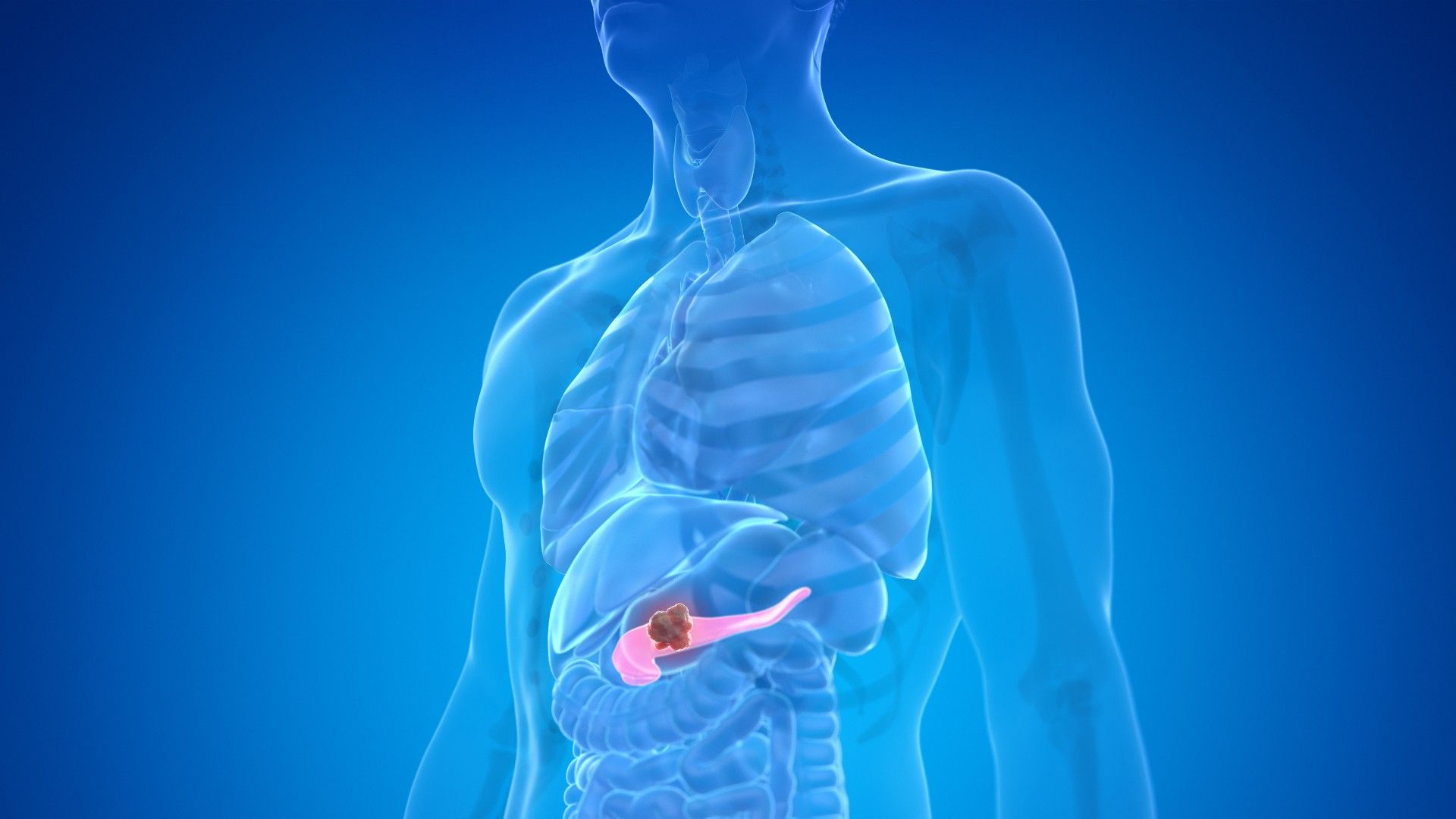
5. Are there any limitations or challenges with this AI tool?
While promising, the AI model has limitations. First, the test was retrospective, meaning it analyzed existing scans; real-time use in clinics may yield different outcomes. Second, the algorithm was trained on a specific set of data, and its generalizability to diverse populations or imaging equipment remains unproven. Other challenges include integration into hospital workflows, ensuring patient data privacy, and the need for regulatory approval. Additionally, false positives, though rare, could lead to unnecessary biopsies or stress. The model also requires high-quality CT scans with standardized protocols, which may not be available everywhere. Despite these hurdles, the research provides a solid foundation for developing a practical screening aid.
6. What are the potential implications for patients and healthcare?
If validated and adopted, this AI tool could transform pancreatic cancer screening. High-risk individuals – such as those with familial history, BRCA mutations, or chronic pancreatitis – could undergo routine AI-enhanced CT scans as surveillance. This might lead to earlier diagnoses, higher survival rates, and more cost-effective care by catching the disease before it spreads. For healthcare systems, it could reduce late-stage treatment costs (surgery, chemotherapy, palliative care) and improve resource allocation. The model also exemplifies how AI can augment human expertise, not replace it, by serving as a second set of eyes on scans. Ultimately, patients could benefit from less aggressive treatments and better quality of life. However, widespread implementation will require investment in AI infrastructure, training for radiologists, and robust clinical guidelines.
For more details on the technology, see how the AI works, or jump to the timeline of detection. The study underscores the need for continued research into limitations before this tool becomes standard.