How to Uncover Ancient Copper Smelting in a Cave: An Archaeological Field Guide
What You Need
- Field gear: Sturdy boots, headlamp, helmet, cave-safe lighting, GPS device, compass, and mapping tools.
- Sampling equipment: Sterile sample bags, chisels, hammers, brushes, plastic containers, and labels.
- Protective gear: Gloves, dust masks, eye protection, and disposable coveralls to avoid contamination.
- Laboratory tools: Access to a lab with a binocular microscope, X-ray fluorescence (XRF) spectrometer, scanning electron microscope (SEM), and radiocarbon dating facilities.
- Reference materials: Geological maps of the Pyrenees, known copper mineral databases, and comparative samples of malachite and azurite.
- Documentation supplies: Notebook, camera with macro lens, waterproof paper, and measuring scale.
- Permits: Written permission from local archaeological authorities and land owners.
Step-by-Step Guide
Step 1: Identify Unusual Green Rocks in a Cave Setting
Begin by exploring limestone caves in the Pyrenees, focusing on areas where water seeps or ancient fire pits might exist. Look for bright-green patches or nodules—these are likely malachite or azurite, copper carbonate minerals formed by weathering of copper deposits. In the 2024 discovery reported in the journal Scientific Reports, dozens of such green rocks were found in a cave, hinting at human activity. Note: Natural green formations are possible, but if they cluster near charcoal or ash layers, suspect smelting.
Step 2: Survey the Cave for Signs of Prehistoric Occupation
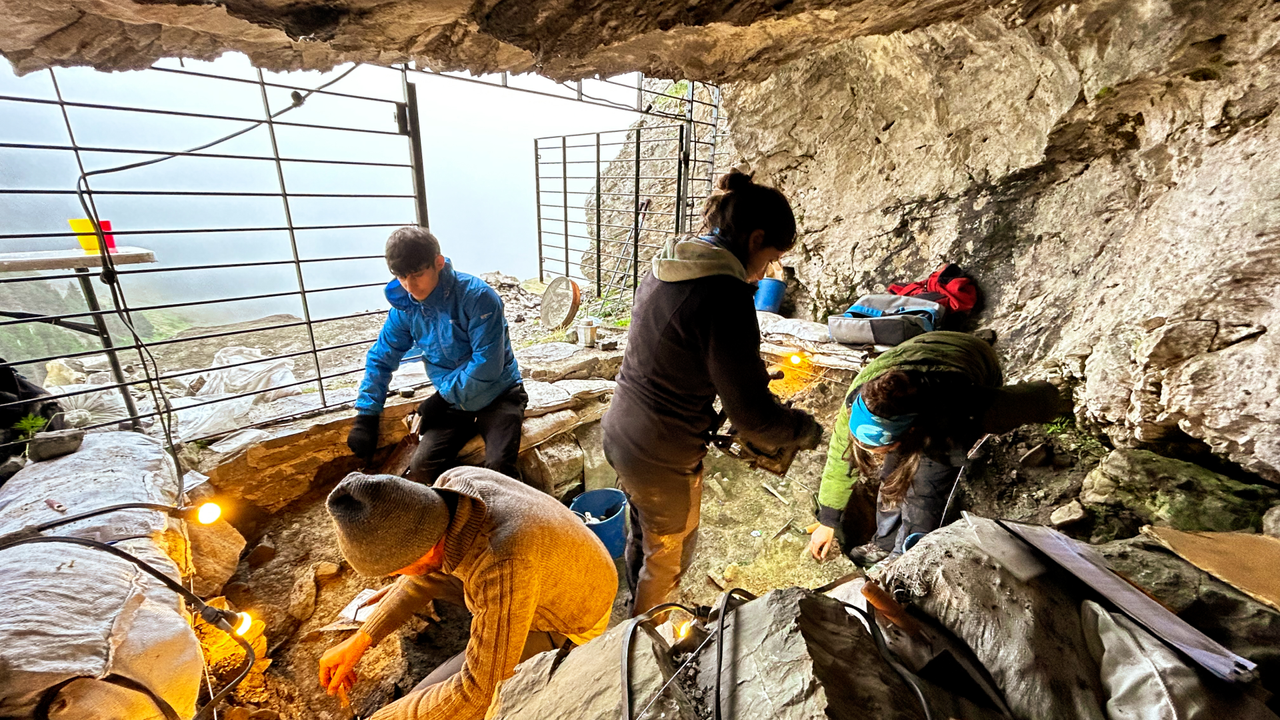
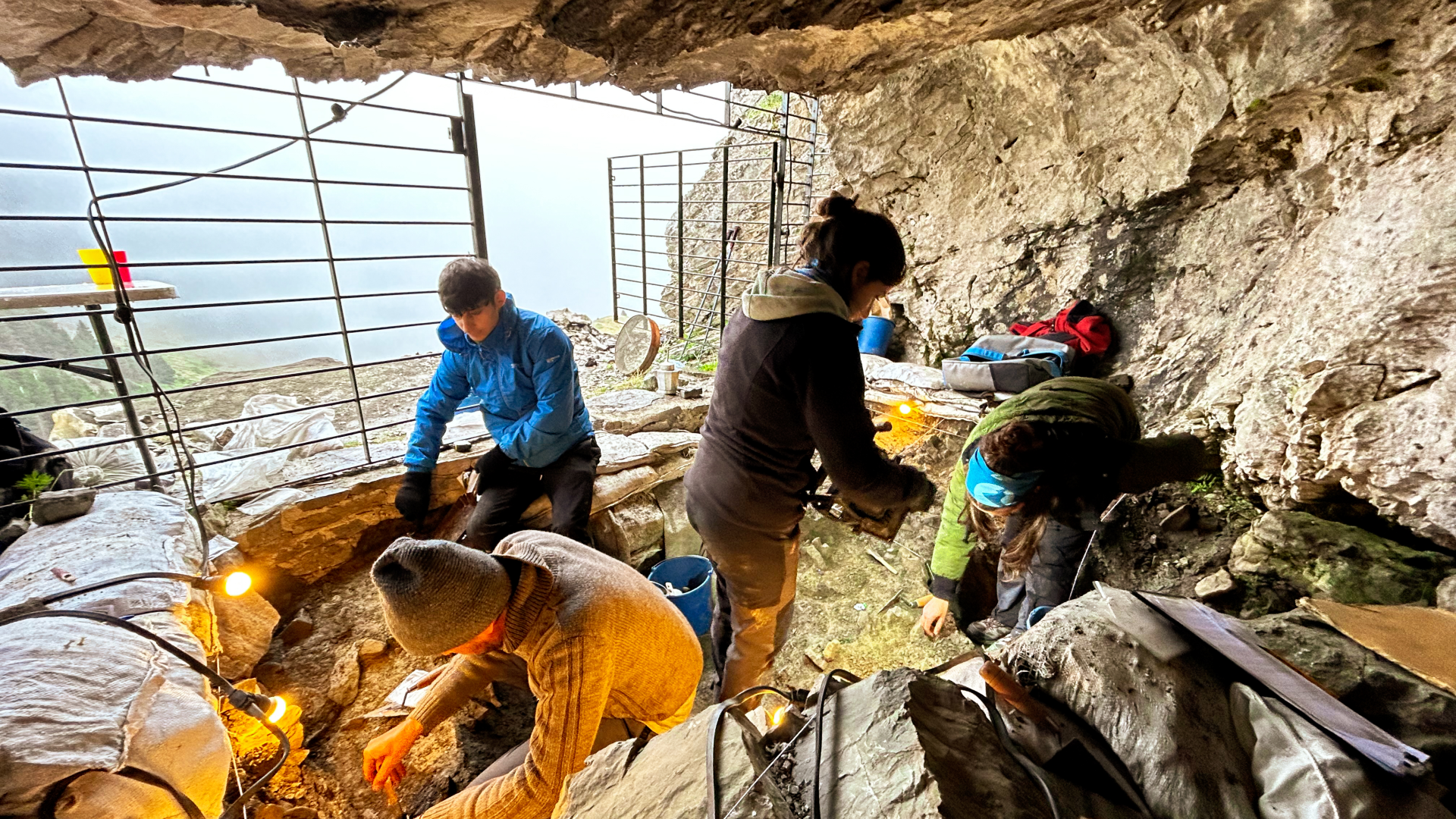
Map the cave interior methodically, marking any hearths, tool fragments, or animal bones. Use a grid system to record the exact location of the green rocks relative to fire features. For instance, if the green pieces lie within a circle of burnt stones, that strongly suggests a smelting furnace. In the Pyrenees cave, researchers found the green rocks alongside charcoal dated to 7,000 years ago—a key clue that people were working copper there.
Step 3: Collect Samples with Minimal Disturbance
Wear gloves to avoid oils from your skin contaminating samples. Carefully brush away loose dirt and photograph each green rock in situ. Use a chisel to extract small fragments (about 2–5 cm) and place them in sterile bags. Also collect charcoal pieces from the same layer—they will be vital for dating. Label every bag with the grid reference, depth, and date. Be thorough: the more samples, the stronger the evidence.
Step 4: Analyze the Green Rocks for Copper Content
In the lab, first examine samples under a microscope to distinguish natural mineral formations from smelting slag. Smelting slag often has a glassy, porous texture with trapped gas bubbles. Use XRF to confirm the presence of copper, iron, and other trace elements. For the Pyrenees rocks, chemical analysis revealed copper concentrations consistent with ore processing, not natural weathering. Next, use SEM to look for microscopic droplets of metallic copper—a telltale sign of smelting.
Step 5: Date the Evidence Using Radiocarbon and Context
Send the associated charcoal samples to a lab for accelerator mass spectrometry (AMS) radiocarbon dating. Calibrate the results using dendrochronological curves. In the original study, charcoal from the cave yielded dates between 5,000 and 7,000 years ago, indicating that copper working persisted for roughly 4,000 years. Cross-check these dates with the stratigraphy of the site—older layers should lie deeper. If the green rocks appear in multiple strata, you have a timeline of continuous or intermittent smelting.
Step 6: Interpret the Findings in Archaeological Context
Compare your results with known prehistoric copper-working sites in Europe, such as those in Serbia or Spain. The Pyrenees cave discovery is significant because it pushes back the known timeline of copper smelting in Western Europe by millennia. Consider what the evidence suggests about trade, technology transfer, and social organization. For example, the presence of green rocks in a cave might indicate that early miners used natural cavities for furnaces, taking advantage of chimney effects for draft.
Step 7: Publish and Preserve the Site
Document all steps in a peer-reviewed paper, including raw data and photos. Work with local authorities to protect the cave from looters or tourists. The Pyrenees cave remains a sensitive archaeological site; researchers recommend limiting public access until further study. Share findings with the public through museum exhibits or online resources to foster interest in prehistoric metallurgy.
Tips for Success
- Always test for natural vs. anthropogenic origin. Not every green rock is smelting slag—naturally occurring malachite forms beautiful crystals but lacks the glassy structure of slag.
- Use multiple dating methods. Radiocarbon on charcoal is common, but if you find pottery or bone tools, apply thermoluminescence or uranium-series dating for cross-verification.
- Collaborate with geologists and chemists. Ancient smelting leaves behind subtle chemical signatures; experts help interpret isotopes and trace elements.
- Keep a detailed field journal. Record weather, cave temperature, humidity, and any disturbances—these factors can affect preservation and interpretation.
- Respect cultural heritage. In many regions, caves are considered sacred or historically sensitive. Engage with local communities and obtain all necessary permits before excavation.
- Prepare for disappointment. Many green rocks turn out to be nothing more than copper stains from groundwater. Persistence and rigorous analysis are key.
By following these steps, you can replicate the methodology used by the team that uncovered the 7,000-year-old copper-smelting evidence in the Pyrenees cave. This guide not only helps identify ancient metallurgy but also sheds light on how prehistoric people innovated with fire and minerals long before the Bronze Age officially began.